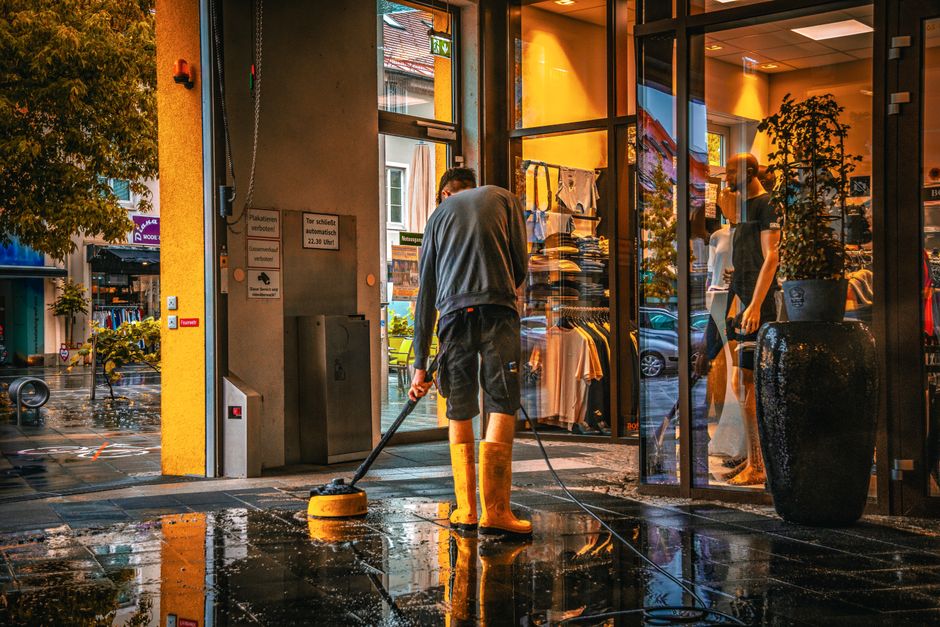
Barnes commercial cleaning for shops and offices High Street

If you run a shop, clinic, agency, cafe, showroom, or office on or near High Street, you already know how quickly a place can go from tidy to tired-looking. A few fingerprints on the glass, a dusty skirting board, muddy footprints after a wet morning, and suddenly the whole space feels less welcoming. That is where Barnes commercial cleaning for shops and offices High Street becomes more than a nice-to-have. It helps protect your presentation, support staff comfort, and keep the day moving without friction.
This guide breaks down what commercial cleaning actually covers, how it works in a real-world setting, what to look for in a provider, and the practical details that matter when you are trying to keep a business running smoothly. No fluff. Just the useful stuff, explained clearly.
- Why this type of cleaning matters
- How the service works in practice
- Key benefits and practical advantages
- Who it is for and when it makes sense
- Step-by-step guidance
- Expert tips for better results
- Common mistakes to avoid
- Tools, resources and recommendations
- Law, compliance and best practice
- Options and comparison table
- Real-world example
- Practical checklist
- Conclusion
- Frequently asked questions
Why Barnes commercial cleaning for shops and offices High Street Matters
On a busy High Street, appearance carries weight. Customers judge a shop within seconds, and office visitors do the same whether they mean to or not. A clean entrance, fresh-smelling reception, spotless flooring, and polished touchpoints quietly tell people: this place is looked after. That simple message matters.
For shops, cleaning supports merchandising. Dust on shelving or streaks on glass distract from the products you are trying to sell. For offices, it supports concentration, morale, and a more professional atmosphere. Nobody wants to start a meeting by apologising for a sticky table or an overflowing bin. Truth be told, small signs of neglect add up fast.
There is also a local angle here. Barnes has a village-like feel, but High Street footfall can still bring in grime, rainwater, mud, and the odd bit of street debris. In wet weather, a floor can become visibly messy in under an hour. In warmer spells, windows and frontages pick up fingerprints, dust, and pollen. Commercial cleaning is partly about presentation, yes, but it is also about staying on top of those everyday realities before they become a problem.
And if you run a customer-facing business, you know how easily a single bad impression can linger. A clean space does not guarantee sales, of course, but it removes a very unnecessary obstacle.
Expert summary: The best commercial cleaning is not simply "tidying up." It is a planned routine that protects image, reduces disruption, and keeps shops and offices on High Street consistently ready for customers, staff, and visitors.
How Barnes commercial cleaning for shops and offices High Street Works
Commercial cleaning should be organised around how the business actually uses the space. A shop with daily customer traffic needs a different rhythm from an office that hosts staff meetings, deliveries, and occasional client visits. The good providers start by understanding movement patterns, surface types, opening hours, and the pressure points that matter most.
Typically, the process begins with a site discussion or walk-through. This is where the cleaner or account manager looks at the entrance, counter areas, display units, washrooms, tea points, floors, glass, and any back-of-house areas. They should ask practical questions. When do you open? Which parts of the premises get dirty fastest? Are there delicate materials, specialist flooring, or high-touch surfaces that need particular care? Those questions matter more than a glossy brochure, to be fair.
After that, a cleaning plan is built. For some businesses, this means daily light cleaning and weekly deeper attention. For others, it may involve a one-off refresh, seasonal deep cleaning, or scheduled work around opening hours. The aim is to avoid disruption while keeping standards steady.
In a well-run setup, there is also a clear process for supply use, access, keys or alarms, reporting issues, and quality checks. If a cleaner spots a leaking tap or a damaged floor edge, that should be flagged early. That kind of detail prevents small issues from becoming expensive ones.
Most importantly, the service should feel seamless. Good commercial cleaning is almost invisible when it is working well. You arrive in the morning, and things simply feel in order.
Key Benefits and Practical Advantages
The value of commercial cleaning is easy to underestimate because the best results are often subtle. But once standards slip, everyone notices. Here are the main benefits businesses usually care about.
1. A stronger first impression
Clean windows, tidy floors, and fresh-smelling shared areas help your premises feel credible. Whether someone is browsing, booking, or coming in for a meeting, that first visual cue matters. People relax faster when a space feels cared for.
2. Better staff comfort
Employees spend a huge part of the day in the workplace. When desks, kitchens, toilets, and shared areas are kept clean, people tend to settle in more easily. It is a small thing that affects mood more than many owners realise. No one works their best around a grimy sink, let's face it.
3. More consistent hygiene
High-touch points such as handles, counters, switches, and shared tables need regular attention. Routine cleaning helps reduce visible dirt and build-up, and it supports a more hygienic environment overall. That is especially relevant for customer-facing businesses and busy offices.
4. Less wear on surfaces
Dust and grit are not harmless. Left alone, they can shorten the life of flooring, soft furnishings, and fittings. Regular care helps preserve carpets, upholstery, hard floors, and glass finishes, which is usually cheaper than replacing things early.
5. Better organisation
Commercial cleaning often reveals small maintenance issues before they escalate. A stained carpet, a scuffed wall, or a recurring odour can indicate a deeper problem. Spotting those early is genuinely useful.
There is another advantage too: peace of mind. When cleaning is handled properly, it removes a whole category of low-level stress from your week. That counts for a lot.
Who This Is For and When It Makes Sense
This kind of service suits more businesses than people often assume. It is not just for large corporate offices or flagship retail stores. In Barnes, High Street premises can be compact, busy, and a bit characterful, which is exactly why a tailored approach matters.
Shops and retail units
Clothing stores, boutiques, gift shops, salons, and specialist retailers all benefit from regular front-of-house cleaning. Dusty shelves, smudged glass, and tired-looking changing areas can quietly undermine the customer experience.
Offices and professional spaces
Estate agencies, consultancies, creative studios, therapy rooms, and small team offices often need a dependable routine that fits around staff schedules. The point is not just cleanliness, but consistency.
Mixed-use premises
Some businesses blend customer areas with admin spaces, storage, and small kitchens. These settings need a flexible plan because priorities shift throughout the week. One morning may be all about the front entrance and washroom, while Friday needs more attention on bins, floors, and shared surfaces.
Newly opened or recently refurbished premises
When you have just finished a fit-out, an after-builders clean can save time and frustration. Fine dust gets into places you would not expect. Under display units, behind radiators, on light fittings. It is sneaky stuff.
It also makes sense if your current arrangement is not keeping pace. Maybe staff are doing too much of the cleaning themselves. Maybe customers have started commenting, even indirectly. Maybe the space simply looks tired by 2 p.m. If so, bringing in a structured service is often the sensible next move.
Step-by-Step Guidance
If you are considering Barnes commercial cleaning for shops and offices High Street, it helps to think through the process in order. That way you avoid under-specifying the work or paying for things you do not actually need.
- Walk the premises with a clear eye. Look at the space as a customer or visitor would. Note the visible dirt, the high-touch zones, and the areas that always seem to need more attention.
- Separate daily tasks from periodic tasks. Some jobs belong in the everyday routine, such as bins, washrooms, and floors. Others are better scheduled weekly or monthly, like deep desk sanitising, internal glass, or upholstery care.
- Decide the best cleaning window. Early morning, late evening, or between trading periods can all work. The right choice depends on your opening hours, staffing pattern, and how much disruption you can tolerate.
- Choose the right methods for each surface. A hard floor does not need the same treatment as carpet, and a glazed entrance needs different care from a fabric chair. Matching the method to the material is where quality starts.
- Set expectations clearly. Be specific about what "clean" means to you. For example, some owners care deeply about front-facing glass, while others want washrooms and staff areas prioritised. Say it plainly.
- Build in regular checks. A quick review every so often helps keep the service aligned with reality. Businesses change, footfall changes, weather changes. The cleaning plan should keep pace.
If you want a simple rule, here it is: clean to the way the business runs, not the other way round. That is usually where the best results come from.
Expert Tips for Better Results
Here are the practical refinements that separate "fine" cleaning from genuinely good cleaning. These are the bits people often overlook.
Prioritise the entrance
The first few metres inside your door carry a lot of weight. Dirt, rain, and grit collect there. Keep entrance mats working properly and make sure the surrounding floor is not overlooked. It is a small zone, but it does a lot of heavy lifting.
Use a zone-based approach
Not every room needs the same level of attention. Customer-facing areas usually need the sharpest presentation, while storage spaces may need lighter but still regular care. This saves time and helps budgets go further.
Watch recurring problem spots
If the same area keeps getting dirty, the answer may not be "clean harder." It could be a layout issue, a ventilation problem, or simply too much foot traffic for the current setup. Good cleaners notice patterns, not just mess.
Keep supplies consistent
Oddly enough, some of the best results come from boring things like having the right cloths, correct cleaners, and labelled products. It cuts down on mistakes and makes the job more efficient.
Think in terms of presentation, not just hygiene
Glass, floors, bins, skirting boards, and reception surfaces all affect how polished a space feels. A room can be technically clean yet still look half-finished. That gap is where good commercial cleaning earns its keep.
A tiny real-world observation: in winter, when people bring in wet shoes and umbrellas, the floor tells the story fast. In summer, it is dust and pollen. Different seasons, same lesson. Stay ahead of it.
Common Mistakes to Avoid
Many cleaning problems are not caused by poor intent. They come from vague planning, unrealistic expectations, or trying to stretch a domestic-style routine into a commercial environment. Here are the usual traps.
1. Treating all cleaning as the same
A retail front, a meeting room, and a staff kitchenette all need different treatment. Using one blanket approach usually means some areas get ignored while others are over-serviced.
2. Ignoring timing
Cleaning during peak customer hours or busy office times can be disruptive. The best schedule is the one that fits the business rhythm, not the one that is easiest to arrange on paper.
3. Leaving high-touch areas until the end
Door handles, counters, switches, and shared equipment collect grime quickly. If those are left too long, the whole place starts to feel less fresh, even if the floor looks fine.
4. Forgetting the "hidden" areas
Under desks, behind displays, around the back of toilets, and along skirting boards are common blind spots. Visitors may not consciously inspect them, but the overall impression still changes.
5. Focusing only on price
Cheap can become expensive if standards are uneven or the service is unreliable. It is better to look at clarity, consistency, insurance, and scope alongside cost. That is the more honest comparison.
6. Not giving feedback
If something is not working, say so early. A decent provider would rather adjust the plan than keep cleaning the wrong areas. Silence helps nobody.
Tools, Resources and Recommendations
The right tools make a noticeable difference, especially in small commercial spaces where every corner is visible. You do not need to understand every product on the van, but it helps to know what should be in play.
| Area | Common methods | Why it matters |
|---|---|---|
| Shop fronts and glass | Window cleaning, streak-free finishing, regular touch-up cleaning | Improves curb appeal and keeps the frontage looking open and professional |
| Floors | Vacuuming, mopping, hard floor care, steam carpet cleaning where suitable | Removes grit, reduces wear, and helps the space feel cared for |
| Workstations and counters | Dusting, wipe-downs, sanitising high-touch points | Supports a tidier, more hygienic work environment |
| Washrooms and kitchens | Disinfection, descaling, waste removal, replenishing consumables | These are usually the areas people notice first if standards slip |
| Soft furnishings | Upholstery cleaning, stain removal, odour treatment | Helps keep chairs, sofas, and waiting areas presentable for longer |
For many businesses, the most useful extra services are window cleaning, commercial carpet cleaning, hard floor cleaning, and periodic deep cleaning. If your premises sees heavy foot traffic or has customers sitting and waiting, upholstery and stain care may also be worth including.
It is also sensible to ask how the provider handles eco-conscious waste practices and product use. If sustainability matters to your business identity, that should be part of the conversation rather than an afterthought. You do not need grand promises. You need practical consistency.
Useful related pages on this site include commercial cleaning, office cleaning, window cleaning, commercial carpet cleaning, and hard floor cleaning. If you are comparing regular upkeep with something more intensive, deep cleaning is worth a look too.
Law, Compliance, Standards, or Best Practice
Commercial cleaning touches on health, safety, access, insurance, and responsible working practices. That does not mean every job is heavily regulated in the same way, but it does mean you should expect sensible standards from any provider.
At a minimum, a professional cleaner should be able to explain how they manage health and safety, what insurance is in place, how chemicals are used and stored, and how they reduce risk while working on-site. For business owners, that matters because cleaning staff often work outside normal hours, handle electrical areas, move equipment, and operate near customers or employees.
Best practice usually includes:
- clear communication about access, alarms, and keys
- safe use of products and equipment
- appropriate training for the tasks being carried out
- attention to slips, trips, and wet-floor risks
- basic incident reporting if damage or hazards are found
- respect for privacy and confidentiality in office spaces
If you operate in a customer-facing environment, ask about insurance and safety arrangements. If you want to see how that is handled, the page on insurance and safety is a good place to start. You can also review the site's health and safety policy and terms and conditions for more context around service expectations.
If your business cares about waste handling or greener choices, recycling and sustainability is also relevant. And if you are simply comparing price structures before making a decision, pricing and quotes explains the process in plain English.
One thing worth saying plainly: compliance should never be a mystery. If a provider is vague about safety, access, or insurance, that is a mild warning sign. Not a drama, just a reason to pause.
Options, Methods, or Comparison Table
Different businesses need different cleaning models. The most common options are regular scheduled cleaning, one-off deep cleaning, and specialist add-on services. Here is a simple comparison to help you think it through.
| Option | Best for | Strengths | Limitations |
|---|---|---|---|
| Regular cleaning | Shops and offices needing consistent upkeep | Keeps standards steady, reduces build-up, fits around routine trading | May not remove long-standing stains or heavier dirt |
| One-off cleaning | After events, seasonal refreshes, or occasional catch-up jobs | Good for resets and problem areas | Does not maintain standards on its own |
| Deep cleaning | Premises needing a full top-to-bottom refresh | Useful for hidden dirt, neglected areas, or post-renovation work | Takes longer and is usually more involved |
| Specialist cleaning | Carpets, upholstery, floors, windows, or specific stains | Targets problem materials with the right method | Best as part of a wider plan, not a standalone fix |
For many High Street businesses, the best answer is a mix. Regular cleaning keeps everything stable, while specialist work is brought in when a surface needs extra attention. That balance usually gives the best value.
Case Study or Real-World Example
Picture a small Barnes shop with a front display, a narrow customer area, a stock room, and a tiny staff kitchenette at the back. On Monday morning it looks fine enough. By Thursday, though, the entrance mat is holding damp grit, the glass has fingerprints from steady foot traffic, and the counter needs a proper wipe-down. The stock room is okay, but the skirting boards and corners are starting to look dull.
Instead of waiting for a full-blown deep clean, the owner puts in a structured cleaning plan. The front of house is cleaned before opening on busy days, the washroom is checked daily, and the glass gets more frequent attention. Once a month, the flooring and upholstery get specialist care. Nothing dramatic. Just sensible.
Within a few weeks, the business feels calmer. Staff stop doing little emergency wipes every hour. Customers notice the entrance more positively. The owner no longer has that nagging sense that the space is "almost there" but not quite. That is the real win.
Now, here is the honest bit: the change was not magic. It came from matching the cleaning routine to the way the space was actually used. That is often the difference between a decent service and a genuinely useful one.
Practical Checklist
Use this checklist before you book or review a commercial cleaning service for a shop or office on High Street.
- Have you identified the busiest and dirtiest areas?
- Do you know which tasks need daily, weekly, or periodic attention?
- Have you decided the best time for cleaning to avoid disruption?
- Are floor types, glass, soft furnishings, and washrooms clearly noted?
- Do you need extras such as window cleaning, carpet care, or deep cleaning?
- Has the provider explained access, key holding, and security arrangements?
- Are health and safety expectations clear?
- Do you know what is included in the quote and what is not?
- Is there a straightforward way to give feedback?
- Have you agreed how quality will be reviewed over time?
If you can tick most of those off, you are already ahead of the game. If not, that is okay. Better to sort it now than discover the gaps later, when the place is busy and everyone is rushing around.
Get a free quote today and see how much you can save.
Conclusion
Barnes commercial cleaning for shops and offices High Street is about more than keeping things tidy. It is about creating a space that feels reliable, presentable, and ready for real life. Shops need a clean customer experience. Offices need a comfortable, professional working environment. Both need a cleaning plan that fits the rhythm of the business, not one that fights against it.
If you take only one thing from this guide, let it be this: consistency beats panic cleaning every time. A steady routine, the right methods, and clear expectations will usually deliver better results than occasional bursts of effort. And yes, the little details matter more than people think.
Whether you are refreshing a single room, managing a busy storefront, or trying to restore order after a rough spell, the right commercial cleaning approach can make the whole place feel lighter. Not perfect. Just properly looked after. Which, honestly, is what most customers and staff want anyway.
And on a chilly Barnes morning, when the doors open and the first visitor steps inside, that calm, clean feeling goes a long way.
Frequently Asked Questions
What does Barnes commercial cleaning for shops and offices High Street usually include?
It usually includes routine cleaning of customer areas, floors, washrooms, desks or counters, bins, kitchens, and high-touch surfaces. Depending on the business, it may also include glass cleaning, carpet care, upholstery work, and periodic deep cleaning.
How often should a shop or office on High Street be cleaned?
That depends on footfall and use. Busy customer-facing spaces often need daily attention, while quieter offices may need a lighter regular schedule plus occasional deeper cleaning. The right frequency is the one that keeps the space consistently presentable.
Is regular cleaning better than one-off cleaning?
For most businesses, yes. Regular cleaning prevents build-up and keeps standards stable. One-off cleaning is useful for resets, special events, or catching up after a busy period, but it is not a substitute for an ongoing plan.
Do small offices really need commercial cleaning?
Usually, yes. Small offices can look untidy surprisingly quickly because every surface is visible. Even a modest space benefits from a structured routine, especially if staff meetings or client visits happen there.
How do I know if I need deep cleaning instead of routine cleaning?
If dirt has built up over time, if certain areas keep looking dull, or if the premises have just had building work, a deep clean may be the better first step. Routine cleaning then helps maintain the results.
What should I ask before booking a cleaner for a shop or office?
Ask what is included, how often tasks are done, what cleaning products and methods are used, whether they have insurance, how access is handled, and what happens if something needs to be reported. Clear answers are a good sign.
Can commercial cleaning happen outside opening hours?
Yes, and in many cases that is preferable. Early morning, evening, or between trading periods can reduce disruption. The best timing depends on how the business operates and how much cleaning is needed.
What are the most commonly missed areas in shops and offices?
Skirting boards, door handles, light switches, behind furniture, under counters, entrance mats, and washroom edges are often overlooked. These areas may seem minor, but they affect the overall impression a lot.
How do commercial cleaning services support workplace hygiene?
They help by removing visible dirt, reducing build-up on high-touch surfaces, and keeping shared areas such as kitchens and washrooms in better condition. That supports a cleaner, more comfortable workplace overall.
Is it worth combining cleaning with carpet or window services?
Often, yes. Windows, carpets, and hard floors are some of the first things people notice. Combining services can give a more complete result and save the hassle of coordinating separate visits.
What should a good commercial cleaning quote include?
A good quote should clearly show the scope of work, frequency, any specialist extras, and what is excluded. It should also be easy to understand. If a quote is vague, that usually leads to confusion later.
How can I keep my office or shop cleaner between visits?
Use practical habits: wipe high-touch points during the day, keep bins under control, place good mats at entrances, and make sure staff know where supplies are stored. Small habits make professional cleaning work better, not harder.
Where can I find more information on related services?
You can explore related pages such as office cleaning, commercial cleaning, deep cleaning, window cleaning, and pricing and quotes for more practical context.